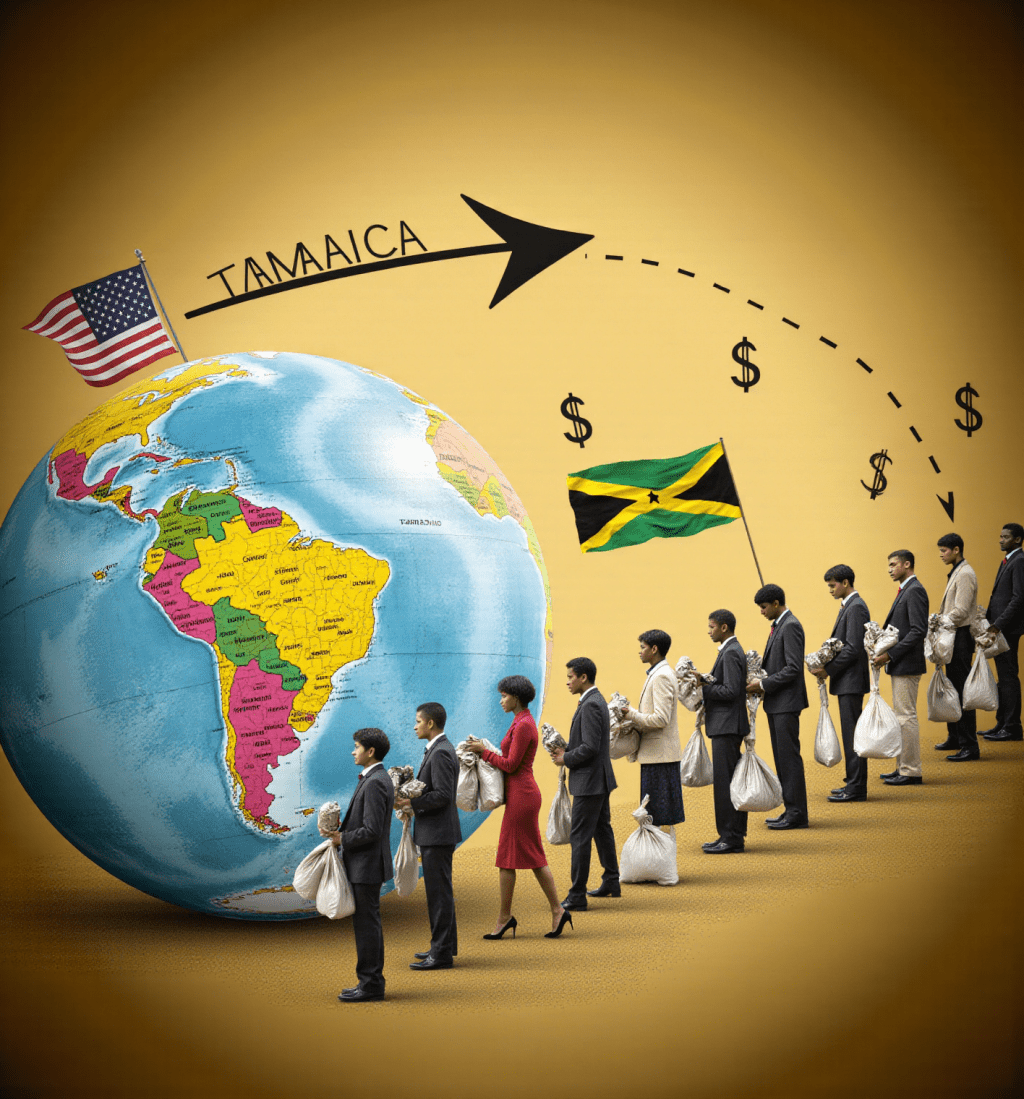
Who Really Pays the Price? The Truth About Tariffs
When world leaders throw around big words like tariffs, trade wars, and economic sanctions, it’s easy for us – regular citizens to tune out, thinking, “that’s government stuff” – I’ll just keep living my life”. One thing is certain: tariffs affect you more than you might realize.
As citizens, we have a say – however small – in who leads our countries. That means it’s important to understand not just who is in charge but also what they are doing. When governments start talking about slapping tariffs on other nations, we should all be paying close attention.
Tariffs are Hidden Tax on You
Politicians love to frame tariffs as a tool for punishing foreign countries. “We’re going to make them pay!” they say. The reality is far more disturbing: tariffs aren’t some magic penalty imposed on another nations. Instead, they act like a tax on the very people buying those goods—you, the consumer.
Think about it this way: When a government places a tariff on imported goods, it means businesses in that country must now pay extra to bring those products in. To offset that cost, those businesses raise their prices. Now guess who ends up footing the bill? That’s right—you, me, and everyone else shopping for those goods.
So, while tariffs may lower demand for foreign products, the exporting country isn’t the one paying the price—the purchasing country is.
The Real Impact of Tariffs
The only way tariffs actually “hurt” the exporting country is if demand for their goods drops significantly. But that does not always happen. Many times, people still need the product and are forced to pay more, meaning the government’s tariff decision has now made life more expensive for its own citizens.
Now, does that mean tariffs are always bad? Not necessarily. They can be used strategically to protect domestic industries. But let’s not pretend they don’t come with consequences – especially for the people who feel them the most: everyday consumers.
Why This Matters
With global trade discussions constantly making headlines, it’s important to see through the political smoke and mirrors. Tariffs aren’t some abstract economic policy – they directly impact the cost of food, cars, electronics, and countless other goods we rely on.
So the next time a leader boasts about “making another country pay” through tariffs, ask yourself: who is actually paying the price? Chances are, it’s you.
Mordecai Amon Israel



Leave a comment