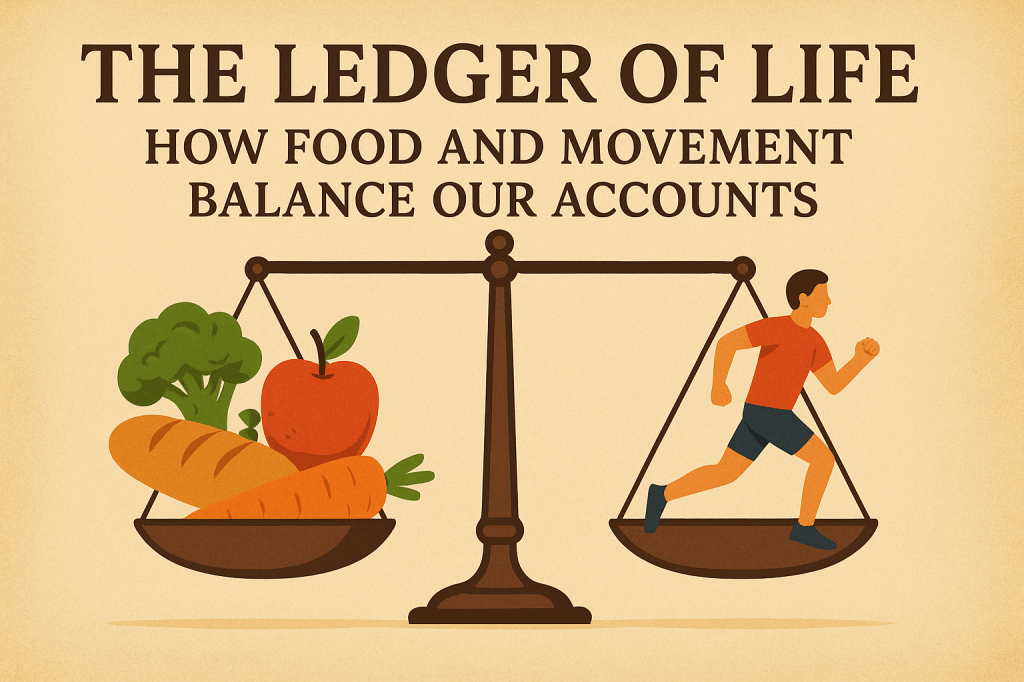
Our bodies are banks, silent vaults that store the deposits of our daily choices. Every morsel of food we eat is currency; every step we take, a transaction. Calories become coins, sashaying their way into our accounts. Spend too freely without thought, and the balance tips into debt; save too much without movement, and the vault becomes overstuffed. Like bankers of our own biology, we must master the art of wise withdrawals and measured deposits.
Food is our paycheck. Each bite, whether bread or broccoli, pays us in energy. Yet just as not all money is minted equally, not all calories carry the same worth. Sugary snacks are counterfeit coins – shiny, seductive, but quick to lose value. Whole grains, lean meats, fruits, and vegetables are solid gold pieces, holding their weight and sustaining us for the long haul. Choosing wisely is like choosing safe investments over gambling with fleeting gains.
Exercise, on the other hand, is the spending. Movement is money in motion, the check written against our caloric account. A brisk walk is a modest purchase, like paying for a loaf of bread. A vigorous run, a weightlifting session, or a swim in the sea is a more extravagant expenditure – akin to buying a sturdy piece of furniture or paying off a looming bill. The beauty of exercise is that it allows us to spend freely without sliding into financial ruin, because movement converts stored savings into strength, stamina, and self-assurance.
Here lies the lesson! Fat is interest. Like a greedy lender, it compounds quietly when deposits outweigh withdrawals. If we consistently consume more than we expend, the body – ever faithful – stores the surplus. This storage, however, comes with a price: the “interest” of fat accumulation. Left unchecked, the debt deepens. Our joints ache under the weight of unpaid balances; our hearts labour like overworked tellers. What begins as a small surplus, snowballs into a burden that is hard to repay.
Managing weight, then, is not about starvation or reckless spending, but about stewardship. Imagine standing at the teller’s window of your own flesh. Will you squander your salary on empty indulgences (sugars and seed oils), or will you invest in foods that yield dividends of vitality? Will you sit idly while your vault grows crowded with compounding fat, or will you move daily, spending calories like a wise banker who knows that money, like energy, is meant to flow?
The secret lies in balance: eat as though every bite were a coin you must account for, and move as though your body were a market bustling with trade. Food fuels the fire, and exercise fans the flame; together, they turn the body-bank into a temple of thriving wealth. In the end, to manage weight is to master economy. Like bankers balancing ledgers, we must weigh deposits against expenditures, mindful that the real riches are not in the fat stored as interest, but in the freedom, fitness, and flourishing of a body well-governed.
Mordecai A. Israel




Leave a comment